How to Choose the Right Storage Unit for Every Room in Your Home
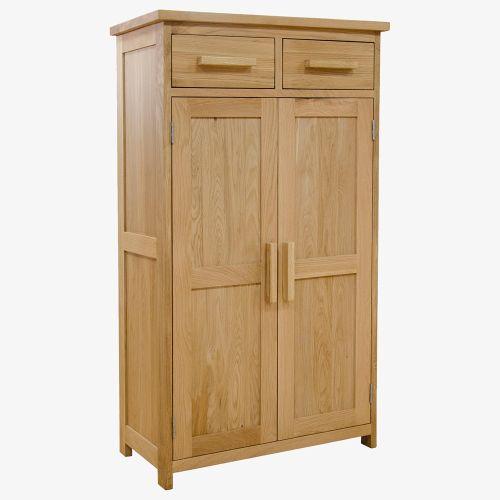
Choosing the right storage unit can make every room in your home feel easier to live in. From keeping everyday clutter under control in the living room to finding space for clothes, paperwork, tableware and spare bedding, the right furniture helps you use each area more effectively. In this guide, we look at how to choose storage for different rooms, including the features, sizes and styles that may work best for your home.
At eFurn, we offer storage furniture for living areas, bedrooms, dining spaces and home offices, so you can find pieces that work practically and don't make your rooms feel overcrowded.
Think About What the Room Needs to Store
Every room's different, so there's no single storage solution that works everywhere. In your living room, you'll need space for items like books, games, remote controls, media equipment and cables. In your bedroom, clothes, shoes, bedding and smaller personal belongings tend to need a home. Dining areas often need somewhere to keep tableware, glasses and table linen, while home offices can quickly become cluttered with paperwork, stationery and technology.
Looking at what you need to store first will make it much easier to choose the right unit. Drawers are useful for smaller items that can otherwise create untidy surfaces. Cupboards work well for larger belongings and shelving gives you easy access to things you use frequently.
Choose Living Room Storage Around Your Layout
Living room storage should support the way you use the space. This is often where the household gathers, so it can quickly become home to books, blankets, games, chargers, remote controls and children's toys. The right solution will help you keep these things close by without them taking over the room.
A sideboard is a good choice when you need generous hidden storage. It can hold board games, electrical accessories, household paperwork or items that do not need to be on display. The top surface can also be styled with a lamp, vase or framed photographs, so the unit contributes to the overall look of the room as well as providing storage.
Bookcases and display units are useful when you want to keep books, plants, ornaments or photographs visible. Make the best use of vertical space with taller units, and choose lower storage furniture to fit neatly beneath a window or beside a sofa. If your television's the main feature, a TV stand with shelves, drawers or cupboards can keep consoles, media boxes and accessories organised.
Create a Calmer Bedroom with Practical Storage
Bedrooms feel more restful when you can put away your clothes and belongings. Start off with the larger storage pieces, such as wardrobes and chests of drawers, then you can think about the smaller items that tend to gather on bedside tables, chairs and floors.
A wardrobe should provide the right balance of hanging space, shelves and drawers you need. If you wear more dresses, coats or shirts, hanging space may be the priority for you. If most of your clothing's folded, extra shelves and drawer space will be more useful.
Chests of drawers are ideal for folded clothes, underwear, accessories and smaller personal items. They can also provide a useful top surface for a mirror, lamp or jewellery box. Bedside tables with drawers are another simple way to stop books, chargers and skincare products from collecting beside your bed.
In smaller bedrooms, under-bed drawers and storage boxes can help you make the most of unused space. Measure the clearance beneath your bed before buying, and check that there will still be enough room to pull drawers out comfortably.
Add Useful Storage to Dining and Kitchen Areas
Dining spaces often benefit from storage furniture that feels attractive enough to suit the room while still being practical. A kitchen sideboard can provide useful space for crockery, glassware, serving dishes and table linen, helping you keep these items close to hand without overcrowding kitchen cupboards.
A display cabinet may be a better choice when you have pieces you enjoy seeing, such as favourite glassware, decorative bowls or a special dinner set. For a more relaxed household, a sideboard with cupboards and drawers might be an easier option as it gives you a place to store items out of sight and also gives you a useful surface for serving food, displaying flowers or adding a table lamp.
Keep Your Home Office Clear and Functional
A tidy workspace makes it easier to focus. Storage units with shelves can keep folders, books and equipment organized. Drawers are useful for stationery, cables and smaller supplies that tend to spread across your desk.
Think about the practical details before you choose. Measure your desk area, allow enough space for your chair to move and consider whether you need storage for paperwork or technology or both.
Check Size, Finish and Future Use
Always measure the available space carefully before you order. Take note of the width, height and depth of the area, as well as any skirting boards, radiators, plug sockets or doors that could affect where the unit sits.
Finally, consider how the finish will work with your existing furniture. You don't need everything to match exactly, but complementary materials and tones will help the room feel more cohesive.